
How Pool Heater Coils Can Cause Hidden Roof Damage on Coated Roofs
If your home has rooftop pool heater coils, you may be unknowingly exposing your roof to a source of hidden damage. While these systems are an excellent way to heat a swimming pool using Arizona’s abundant sunshine, they can create roofing problems that often go unnoticed until significant repairs are needed.
Many homeowners assume that if there isn’t water dripping into the house, their roof is in good condition. However, some of the most serious roofing issues begin slowly and remain hidden beneath rooftop equipment for years.
At MBM Roofing & Coating, we’ve seen firsthand how pool heater coils can wear through roof coatings, trap debris and moisture, and even contribute to leaks. Understanding these potential issues can help homeowners protect both their roof and their investment.
How Pool Heater Coils Affect Your Roof
Solar pool heating systems typically consist of long lengths of black tubing installed directly across the roof. Water circulates through these coils, allowing the sun to warm it before returning it to the swimming pool.
While these systems are designed to last for many years, they also place a large amount of material directly on the roof surface. As the system ages, several different conditions can contribute to premature roof wear.
The roof beneath the coils is often hidden from view, making routine inspections difficult. As a result, damage can continue for years before anyone realizes there is a problem.
Normal Movement Can Wear Through Roof Coatings
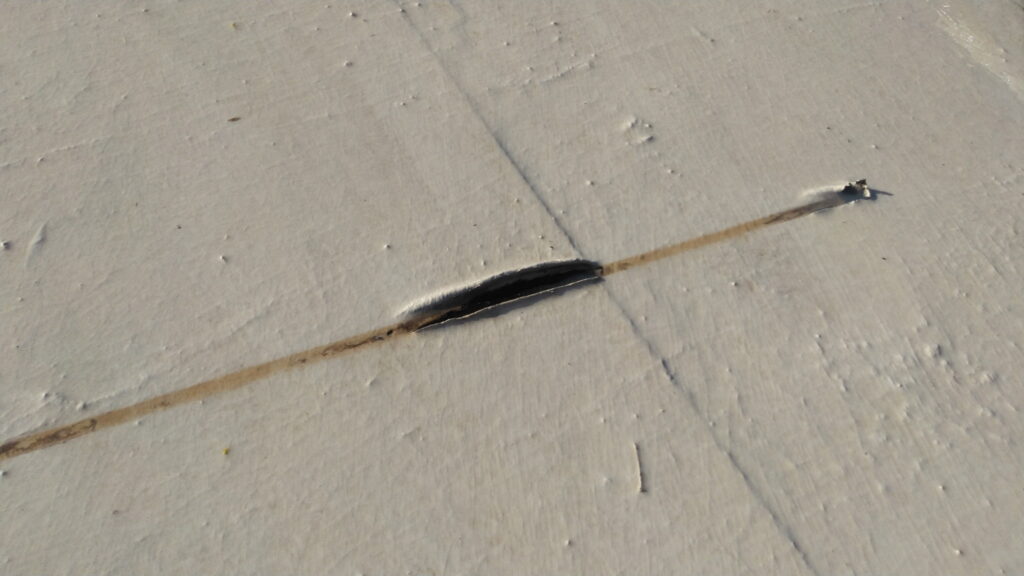
Many people are surprised to learn that pool heater coils are not completely stationary. During normal operation, the pool heater coils vibrate as water circulates through the system. Over time, that constant contact can begin wearing away the protective roof coating beneath the tubing. What starts as light abrasion may eventually develop into grooves, cuts, or worn areas in the coating.
If left untreated, continued wear can expose the roofing material underneath and increase the likelihood of leaks.
Hidden Damage Often Isn’t Found Until the Coils Are Removed
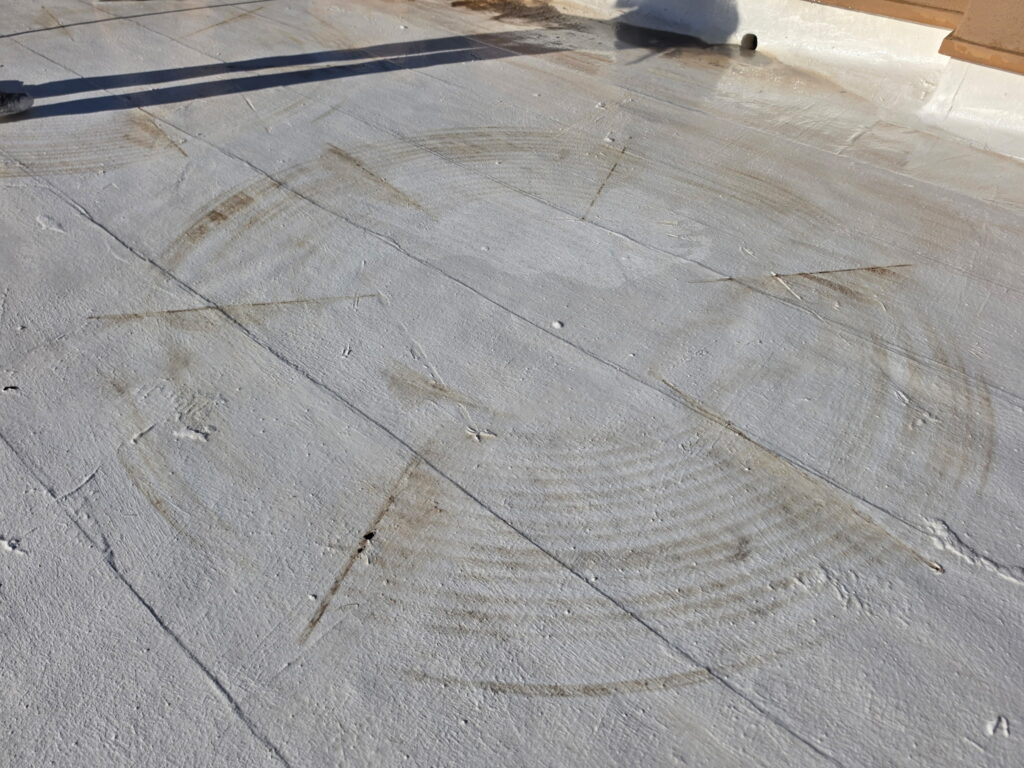
One of the biggest challenges with rooftop pool heater systems is that they hide the roof. From the ground, everything may appear perfectly normal. Even while walking across the roof, much of the surface remains concealed beneath the coils. In many cases, the full extent of the damage only becomes visible after portions of the pool heater system are temporarily removed.
During inspections, roofing professionals may discover:
- Worn roof coatings
- Abrasion marks
- Cuts caused by prolonged contact
- Surface deterioration
- Areas where the coating has completely worn away
Because these problems develop gradually, homeowners are often surprised by how much damage has accumulated beneath equipment that appeared to be functioning normally.
Debris Can Trap Moisture Against the Roof
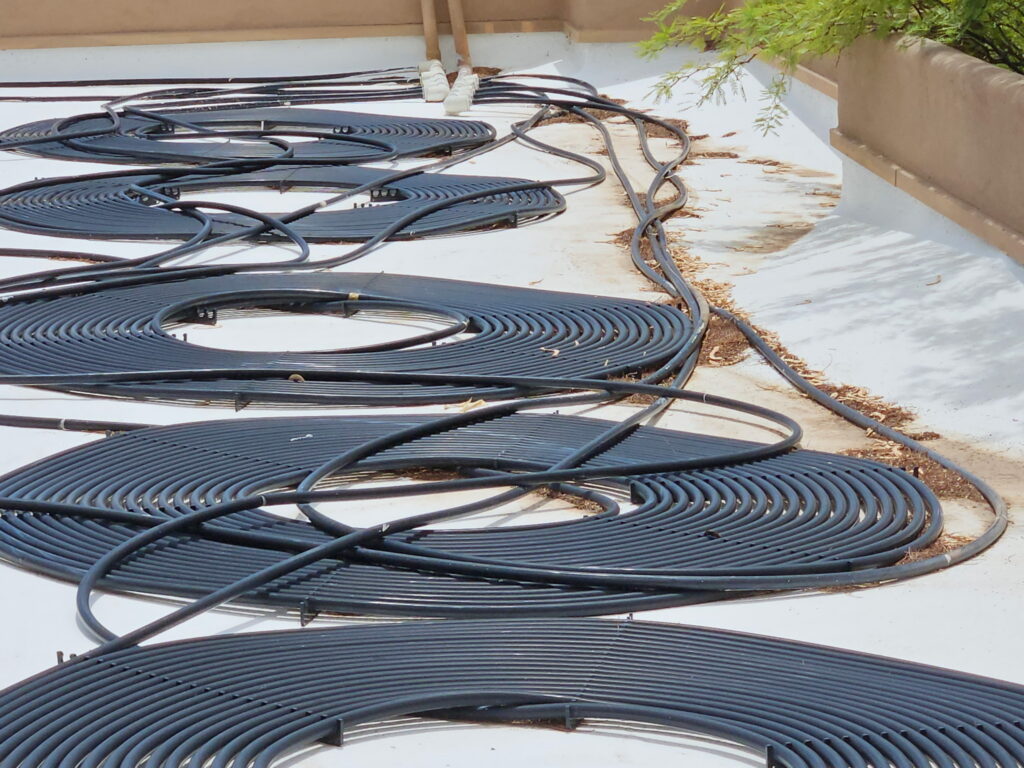
Pool heater coils also create ideal places for debris to collect. Leaves, seed pods, small branches, dust, and other windblown debris naturally become trapped beneath the tubing. Instead of blowing away, this material often remains in place for extended periods.
Once debris accumulates, it begins trapping moisture against the roof surface. Normally, a clean roof dries quickly after getting wet. Areas beneath accumulated debris, however, may remain damp much longer. Prolonged moisture exposure can accelerate deterioration of roof coatings and create conditions that shorten the life of the roofing system.
Leaking Pool Heater Coils Can Create Constant Water Exposure
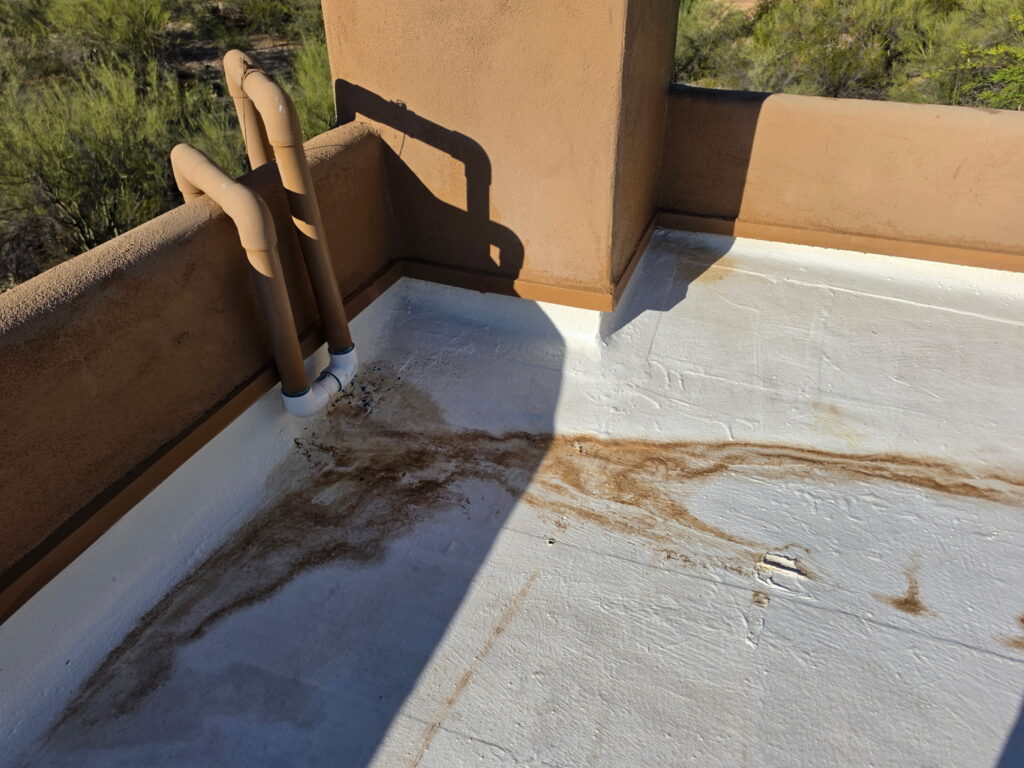
Another issue homeowners may not consider is the condition of the pool heater coils themselves. As these systems age, the tubing can develop leaks. Unlike a sudden plumbing failure inside the home, pool heater leaks are often slow and difficult to notice. Instead of producing obvious flooding, they may allow a steady stream of water to run across the roof continuously. Because the water remains outdoors, homeowners may never realize the leak exists.
Over time, continuous water exposure can:
- Keep portions of the roof constantly wet
- Wash away protective coatings
- Increase staining
- Accelerate roof deterioration
- Contribute to leaks
Finding these leaks early can prevent unnecessary roof damage and extend the life of both the roofing system and the pool heater.
Arizona’s Climate Makes Roof Protection Even More Important
Southern Arizona offers an ideal environment for solar pool heating systems, but it also presents unique challenges for roofing materials.
Roofs throughout Tucson, Marana, Oro Valley, Sahuarita, Green Valley, and surrounding communities experience:
- Intense UV exposure
- Extreme summer temperatures
- Large daily temperature swings
- Monsoon rains
- Dust storms
- Windblown debris
These conditions naturally place stress on roofing materials. When pool heater coils introduce additional abrasion, trapped debris, or constant moisture, roof deterioration can occur more quickly than many homeowners expect. Regular inspections become especially valuable in Arizona’s demanding climate.
Why Simply Applying More Roof Coating Isn’t the Answer
If damage exists beneath the pool heater coils, simply applying another layer of coating over the roof isn’t always the best solution. Professional roof coating systems perform best when they are installed over a properly prepared surface. If abrasion has already damaged the existing coating or roofing membrane, those areas should be repaired before a new coating is applied. Otherwise, the underlying problems remain hidden beneath the new coating and may continue to worsen over time.
A quality roof restoration focuses on addressing the source of the problem, not simply covering it up.
What a Professional Roof Inspection Can Reveal
A professional roof inspection involves much more than looking for obvious leaks. Experienced roofing contractors evaluate the overall condition of the roofing system, paying close attention to areas where rooftop equipment may be causing hidden wear.
When inspecting a roof with pool heater coils, technicians may look for:
- Evidence of abrasion beneath the tubing
- Worn or missing roof coating
- Cracks or cuts in the roof surface
- Debris accumulation
- Areas where moisture remains trapped
- Water staining
- Signs of leaking pool heater tubing
- Overall condition of the roof coating
Catching these issues early often allows repairs to be made before more significant damage develops.
Signs Your Pool Heater Coils May Be Affecting Your Roof
Even if you haven’t been on your roof recently, there are a few signs that may indicate it’s time for an inspection.
You may want your roof evaluated if:
- Your pool heater system is several years old.
- You notice water stains around the pool heater plumbing.
- Debris frequently accumulates on your roof.
- Your roof coating is aging.
- You’ve never had the roof inspected beneath the coils.
- Your pool heater has recently required repairs.
- You’ve experienced unexplained roof leaks.
Many homeowners simply don’t realize how much of the roof remains hidden beneath rooftop equipment.
MBM Roofing & Coating is Here to Protect Your Roof for the Long Term
Pool heater systems can provide years of efficient pool heating, but like any rooftop equipment, they require periodic attention. Regular roof inspections help identify hidden wear before it develops into expensive repairs. When damage is found, making repairs before applying a new roof coating helps restore the roofing system and maximize the performance of the coating.
At MBM Roofing & Coating, we don’t believe in coating over problems. We take the time to identify the underlying cause of roof deterioration, complete the necessary repairs, and apply professional roof coating systems designed to help protect Arizona homes from the harsh desert environment.
If your home has rooftop pool heater coils, now is an excellent time to schedule a professional inspection. Identifying abrasion, trapped debris, or leaking coils early can help extend the life of your roof, reduce future repair costs, and give you confidence that your roofing system is protected for years to come.
Frequently Asked Questions About Pool Heat Coils on Coated Roofs
Can pool heater coils really damage a roof?
Yes, pool heater coils can gradually damage a roof over time. As the tubing vibrates during normal operation, it can slowly wear against the roof coating. This repeated contact may create abrasion marks, grooves, or cuts that become more severe over the years. If the protective coating is worn away and the damage is left unaddressed, it can eventually compromise the roofing system and increase the risk of leaks.
Why does debris collect beneath pool heater coils?
Pool heater coils create narrow spaces where leaves, twigs, seed pods, and other windblown debris can become trapped. Unlike open areas of the roof where debris is more easily blown away, the coils prevent material from moving freely. This buildup can hold moisture against the roof surface long after rain or cleaning, keeping portions of the roof wet for extended periods. Routine inspections and cleaning can help reduce the amount of debris that accumulates beneath the coils.
Can a leaking pool heater damage my roof?
Yes, even a small leak from a pool heater coil can contribute to roof damage over time. Because these leaks are often slow and occur on the roof, they may go unnoticed for weeks or even months. Continuous water exposure can accelerate the deterioration of roof coatings, leave mineral stains, and keep sections of the roof saturated longer than they should be. Identifying and repairing leaks promptly can help prevent more extensive roofing repairs.
How can I tell if my pool heater coils are causing roof damage?
In many cases, roof damage beneath pool heater coils cannot be seen without a professional inspection. The coils cover much of the roof surface, making it difficult to identify abrasion, worn coatings, or trapped debris from a visual inspection alone. Signs such as unexplained roof leaks, staining, or an aging pool heater system may indicate it’s time for a closer evaluation. Our roofing professionals can inspect the concealed areas and determine whether repairs are needed.
Should pool heater coils be removed before recoating a roof?
When we recoat a roof that has pool heater coils, we carefully remove them, and do repairs before a new coating is applied. Damage hidden beneath the coils can easily be missed if the equipment remains in place throughout the project. Addressing worn areas, cuts, or other defects before recoating helps create a more durable roofing system and allows the coating to adhere to a properly prepared surface.
How often should a roof with pool heater coils be inspected?
A roof with pool heater coils should be professionally inspected at least once a year, especially as the roof and pool heating system age. Routine inspections can identify abrasion, debris buildup, drainage issues, and leaking coils before they lead to more significant damage. Homeowners should also consider having the roof evaluated after severe storms or if they notice any changes in the performance of the pool heater. Catching small problems early is often much more cost-effective than waiting until repairs become extensive.
Can roof coatings prevent damage from pool heater coils?
Roof coatings provide an important layer of protection, but they cannot completely prevent damage if pool heater coils continue to rub against the roof or if leaks and debris are left unaddressed. A quality coating is designed to protect the roofing system from weather, UV exposure, and normal wear, but ongoing abrasion can still wear through the coating over time. That’s why it’s important to correct the underlying cause of the problem rather than simply applying another layer of coating. Proper repairs, maintenance, and inspections work together with a roof coating to maximize the life of the roofing system.